

What Is a Roof Tear-Off and When Is It Needed?
A roof tear-off means fully removing the old layers of shingles and underlayment down to the wood deck before installing a new roof. It’s usually necessary when the current roof is too worn, has leaks, or already has multiple layers and can’t support another. In Homer, NY, older homes or those exposed to heavy snowfall and ice over many winters are especially likely to need a complete tear-off rather than a simple overlay.
Most local homes have asphalt shingle roofs, but no matter the material, a tear-off is a way to address unseen damage, rot, or ventilation issues hidden under the surface. While it’s a big project, it ensures a longer-lasting, better-performing new roof.
How Does the Tear-Off Process Work?
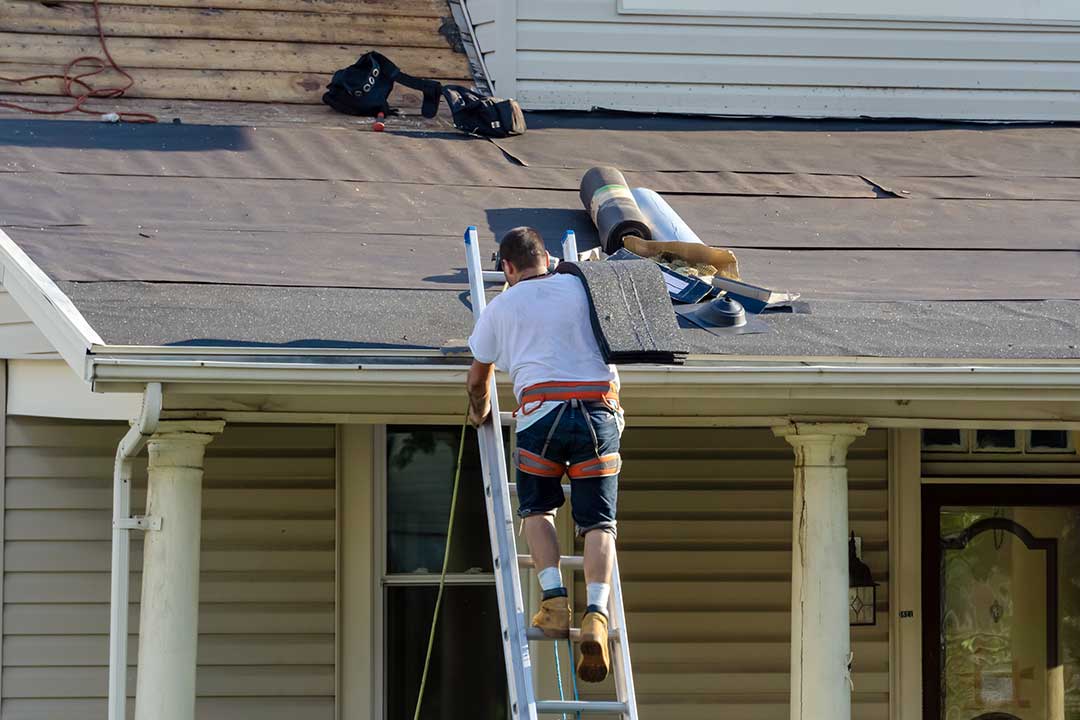
The process typically stretches over several days, depending on roof size, complexity, and weather. First, the old shingles and underlayment are stripped away using specialized tools. The exposed deck is inspected for damage and repairs made if needed. After debris is cleared, new materials are installed.
Residents of Homer can expect stages like:
- Protecting landscaping and property with tarps and plywood
- Removing gutters and rooftop accessories if necessary
- Stripping shingles and underlayment in sections
- Inspecting and fixing decking, replacing damaged wood
- Installing new underlayment, ice and water barriers (very important in the local snowy climate)
- Fitting new shingles or other finished roofing materials
- Reinstalling gutters and final clean-up
The noise, debris, and movement may disrupt daily life, so it’s wise to plan ahead—especially for families with children, pets, or work-from-home needs.
How Long Does a Roof Tear-Off Take in Homer?
Most area homes can expect about 2 to 5 days for a typical asphalt shingle tear-off and replacement. The project duration depends on:
- Roof size and pitch (steeper or cut-up roofs take longer)
- Weather (rain or temperature swings may cause delays)
- Wood damage found after old layers are removed
In the Homer area, unpredictable spring or fall weather can stretch the timeline. Summer is usually the most reliable season, though it’s also the busiest.
What Should You Do to Prepare Your Home?
While crews generally protect the property, homeowners may want to take extra steps to minimize disruption or risk:
- Park vehicles away from the house to prevent possible damage or blocked access
- Move patio furniture, grills, or planters out of the work zone
- Take down wall decorations and secure fragile ceiling fixtures, as vibrations can jostle them
- Keep pets and children safely inside or visit a friend during the noisiest work
- Notify neighbors about the upcoming work for courtesy
Residents often overlook attic items: cover stored belongings to protect from dust or loose debris that might fall during tear-off.
What Is Done with the Old Roofing Material?
All old shingles, nails, and other materials are collected and hauled away, usually using a large dumpster or trailer on-site. Homer local waste regulations require these materials to be disposed of properly, and recycling options for asphalt shingles may be available. Area residents sometimes ask about reusing or repurposing old roofing, but most material is too worn to be practical for other uses.
Will a Roof Tear-Off Expose My Home to the Weather?
During ideal weather, crews remove only as much roofing as can be replaced the same day. In the case of sudden rain or severe weather—a real concern in upstate New York—tarps are used to protect exposed sections overnight or during storms. Unexpected leaks during the process are rare but can happen if a storm arrives suddenly. Keeping communication open about the forecast helps reduce risk.
Are Permits or Inspections Required in Homer?
Roof tear-offs fall under local building regulations. Homeowners in Homer should be aware that permits are typically required for major exterior renovations like a full roof replacement. After work is complete, a final inspection may be required to ensure everything is up to local code. Failing to obtain permits can cause complications during future home sales or insurance claims.
What Are Common Misconceptions About Roof Tear-Offs?
Many assume a new roof can just be installed on top of the old one. In some cases, this is allowed, but with multiple old layers, existing leaks, or visible sagging, a tear-off is usually the safest route. Some also expect very little disruption; while crews work efficiently, there will be noise, debris, and vibration. Another misunderstanding is that all rotten wood will be visible from inside—most problems are only seen once the roof is stripped.
Are There Seasonal Concerns Specific to the Area?
Homer’s cold, snowy winters and occasional ice dams mean that the tear-off and replacement need to be timed to avoid major storms and to allow for proper sealing of underlayment, especially near eaves and valleys where ice builds up. Summer is popular for roofing projects, but early autumn can also be favorable if weather holds steady. Trying to fit a tear-off in late fall or during wet spring weeks carries extra risk due to unpredictable storms.
What Should Residents Watch for After the Work Is Done?
A careful cleanup should leave the yard and driveway free of hidden nails and debris. It’s worth doing a walk-around to check for leftover materials, and visually inspect gutters for granules or pieces that could block drainage. Afterwards, review attic spaces for signs of water intrusion and be alert for unfamiliar drafts or moisture, which could suggest overlooked problems.
