
Why Might Residents in Homer, NY Need to Walk on a Roof?
Many local homeowners eventually face roof maintenance tasks, from clearing leaves out of gutters to inspecting for storm damage after winter. While it may seem straightforward, navigating a rooftop safely is often more complex than expected due to Homer’s mix of older homes, variable roof pitches, and the area’s snowy or icy climate.
Is It Ever Truly Safe to Walk on a Roof in Homer?
Generally, walking on any roof involves real risk and should be avoided whenever possible. Certain roofing materials—like slate or tile—are especially prone to cracking, while moisture and moss common in Homer can cause even asphalt shingles to be slippery. If an inspection or minor maintenance must be done, careful preparation, the right gear, and sober judgment are essential.
What Are the Main Safety Hazards to Watch For?
Before attempting to access the roof, consider the hazards that are especially relevant for area households:
- Slippery conditions: Rain, dew, frost, or moss buildup create slick surfaces. These are frequent in Homer’s long shoulder seasons.
- Unstable roofing: Older homes here often have weakened decking, loose shingles, or hidden rot, which can give way underfoot.
- Steep pitch: Many roofs in the city have steeper pitches for snow shedding, increasing fall risk. Standing upright may not be feasible.
Always assume the risk of a serious fall exists, regardless of the task’s simplicity.
What Equipment Makes Roof Walking Safer?
Effective safety starts before setting foot on the shingles. For local conditions, consider:
- Footwear: Soft-soled, well-treaded shoes or boots provide the best grip. Avoid open-toed shoes or anything with smooth soles.
- Ladder: Use a sturdy extension ladder, with rubber feet and non-slip rungs, extending at least three feet past the gutter line for a safe transition.
- Harness and anchor: A roof harness clipped to a secure anchor point can prevent a fall, especially on steep or high roofs. These can be rented or purchased but require careful setup.
A sturdy spotter can be helpful, but only if both parties are confident and not distracted or rushed.
How Should the Weather and Season Influence Roof Access?
Weather plays an outsized role in roof safety in Homer:
- Never access the roof when wet, icy, or snowy: Even damp morning dew or a late spring frost can make surfaces dangerously slick.
- Wind matters: Even a modest gust may impact balance, especially when carrying tools or shifting weight.
- Hot days: Asphalt shingles can soften, making them more prone to damage and less grippy; metal surfaces may become dangerously hot.
Checking the local weather forecast—and planning for rapid changes typical in upstate New York—is wise before any attempt.
What Is the Safest Way to Move On a Roof?
If circumstances leave no choice but to access a roof, minimize danger by following these guidelines:
- Step gently and stay low, keeping your weight centered over your feet.
- Move slowly, testing each step before shifting full weight.
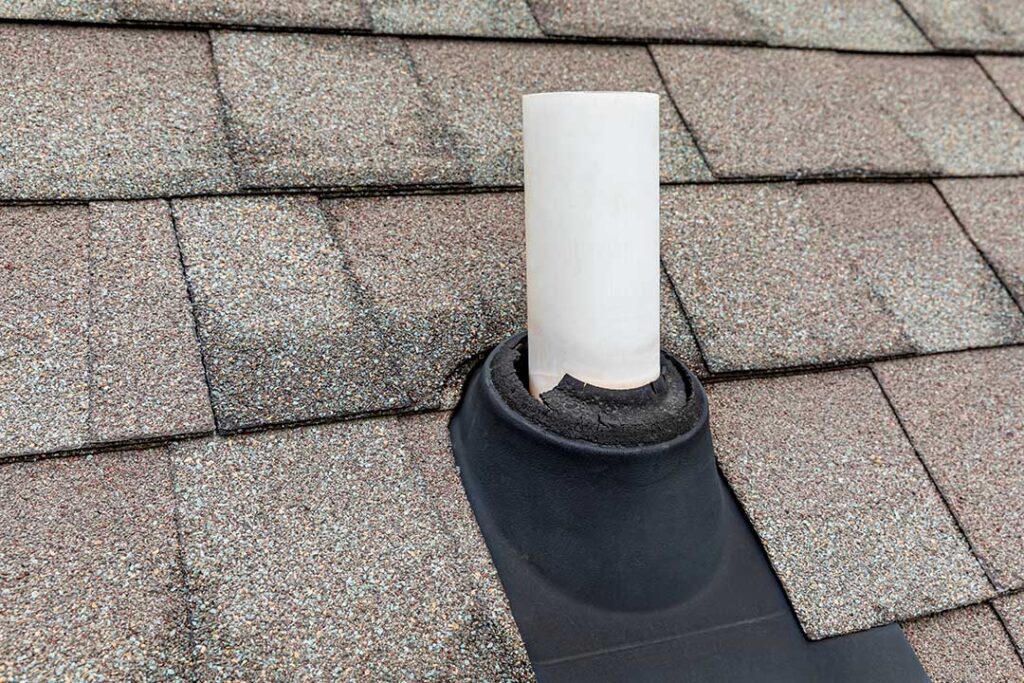
- Avoid stepping near the edge, on loose shingles, or close to skylights or vents, which may crack under pressure.
- Never hurry; deliberate, careful movement dramatically reduces accident risk.
On steep or unfamiliar roofs, crawling or shuffling on hands and knees may provide better balance and control, particularly when conditions are less than ideal.
Are There Alternatives to Walking Directly on Your Roof?
Whenever possible, perform maintenance tasks from the ground or a ladder. Many gutter-cleaning tools, cameras, or binoculars can allow local residents to inspect or maintain their roofs while remaining safely below.
For inspecting after storms—a frequent concern in Homer—using a drone or camera pole can reveal trouble spots without the need for risky personal ascent.
What Are Common Errors or Misconceptions About Roof Walking?
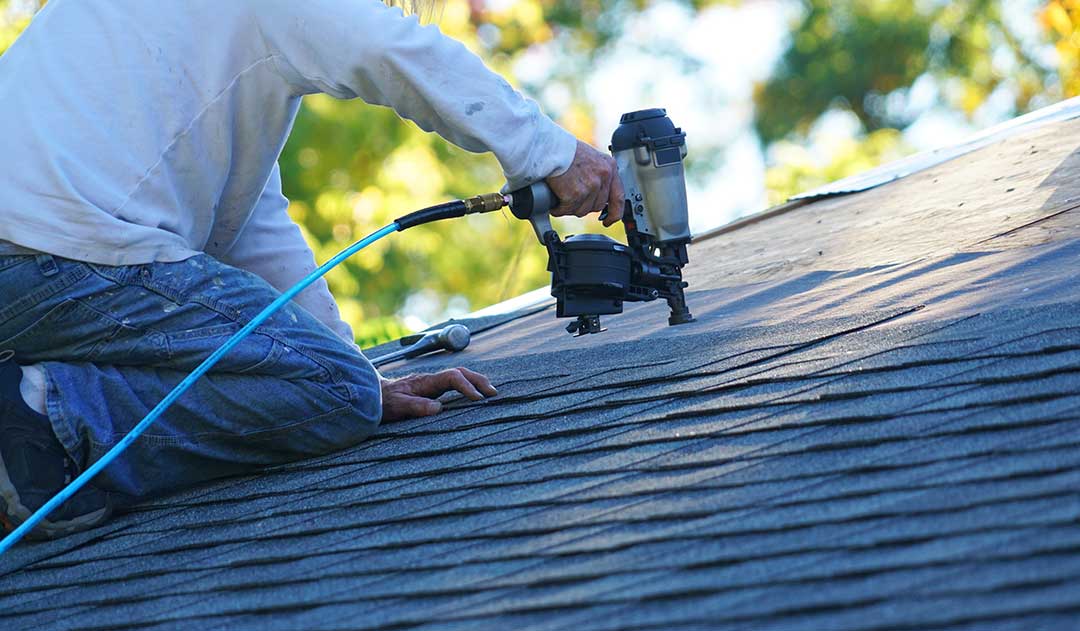
It’s easy to underestimate the risks:
- Some believe a gently pitched or single-story roof is "safe enough" for DIY access. However, most serious injuries in the community occur from falls of less than 10 feet.
- Residents sometimes use ladders or climb on roofs alone, making it difficult to get help if something goes wrong.
- Many overestimate the grip of sneakers or boots on wet mossy shingles, leading to sudden slips.
- Some walk with tools or cleaning supplies in hand, upsetting their balance.
Careful planning and a conservative approach—avoiding the urge to “just check quickly”—are always safer.
What Local Roofing Materials and Housing Patterns Matter for Safety?
Homer’s housing stock includes a range of roof types, notably:
- Asphalt shingles: Most common, but can be slick with dew or compacted leaves.
- Metal roofing: Popular on some homes and barns, extremely slippery when wet and prone to heating up rapidly in the sun.
- Slate or tile: Found on historic homes; fragile, can crack under weight, and often installed on steep pitches.
- Older decking: Many area homes feature aged wood decking that may not visibly show its weakness. Tread lightly and listen for creaks or changes underfoot.
Knowing your home’s specific materials can help you decide whether it’s ever worth accessing the roof directly or if another option is better.
When Is Professional Help Warranted for Roof Access?
Certain situations in Homer justify seeking professional assistance, even if minor maintenance is the task, including:
- Roofs above two stories, especially with steep pitches common here
- Noticeable sagging, large soft spots, or visible damage from below
- Any work during or after severe weather, where unseen damage may create hidden hazards
- Health or mobility issues that could reduce balance or limb strength
Sometimes, the best safety practice is choosing not to go up at all.
