

What Are Roof Coatings and Why Do Homeowners Consider Them?
Roof coatings are protective layers applied to existing roofing materials, often as a way to extend roof life, improve weather resistance, or boost energy efficiency. In regions with variable weather like Homer, NY, residents often explore roof coatings as a relatively low-cost maintenance option. Coatings can be made from acrylic, silicone, asphalt, or other materials, each suited for specific needs and roof types found in the community.
Do Roof Coatings Really Extend Roof Life?
They can, but results depend on several factors. Applied properly, a coating can protect against UV rays, reduce water infiltration, and minimize wear caused by seasonal freeze-thaw cycles. This is particularly useful in the city’s climate, where cold winters and heavy spring rains can speed up roof deterioration.
However, coatings are not a cure-all for roofs that already have major leaks, rot, or structural damage. Attempting to coat an extensively damaged roof may only mask underlying issues temporarily.
Practical Example:
- A 12-year-old flat roof may gain several more years of service life with a professionally applied coating if it’s otherwise in good health.
- Conversely, a roof with soft spots or sagging areas likely needs more than just a surface treatment.
Can Roof Coatings Improve Energy Efficiency?
Yes, especially for certain roof types and colors. Many coatings are designed to reflect sunlight, reducing heat absorption in the summer. For the area’s homes with low-slope or flat roofs—common for certain institutional or commercial buildings—this can help keep interiors cooler during warm, humid stretches.
Still, energy savings are often modest for most pitched residential roofs, especially those already equipped with light-colored shingles or adequate insulation. Local residents shouldn’t expect coatings alone to dramatically lower their energy bills, but they can be a helpful part of a broader efficiency strategy.
What Are the Main Benefits of Roof Coatings?
Here’s a concise overview of the key advantages for the community’s roofs:
- Cost-effectiveness: Coatings can be less expensive than replacing an entire roof, making them appealing for households on a budget.
- Weather protection: Extra barrier against rain, snow, and UV damage, helpful during Central New York’s long winters and icy springs.
- Waterproofing for flat roofs: Acrylic and silicone coatings are particularly effective at sealing flat or slightly sloped roofing systems, common in some institutional and multi-family buildings.
- Reduced maintenance needs: Sealed surfaces often develop fewer cracks or minor leaks, especially on aging but still sound roofs.
What Are the Drawbacks or Limitations?
Roof coatings also have potential downsides that are important for local decision-making:
- Limited to suitable roof types: They work best on flat, low-slope, or gently sloped roofs. Asphalt shingle roofs, which are common in area homes, are often not recommended for most coatings due to adhesion and ventilation issues.
- Not a substitute for major repairs: Coatings do not fix serious leaks, widespread rot, or structural trouble. Ignoring needed repairs can lead to worse damage under the surface.
- Longevity varies: Even the best-applied coatings may need reapplication after 5–10 years, especially in climates with freeze-thaw cycles that cause expansion and contraction.
- Surface preparation required: Dirty, damp, or degraded surfaces prevent coatings from bonding properly. Careful cleaning and minor repairs are needed before application.
- Slippery surface: Some coated roofs—especially silicone surfaces—can become very slick when wet, posing a hazard for anyone needing to access the roof.
What Are Common Misconceptions About Roof Coatings?
Many people imagine a coating is a universal fix, but local experience suggests otherwise:
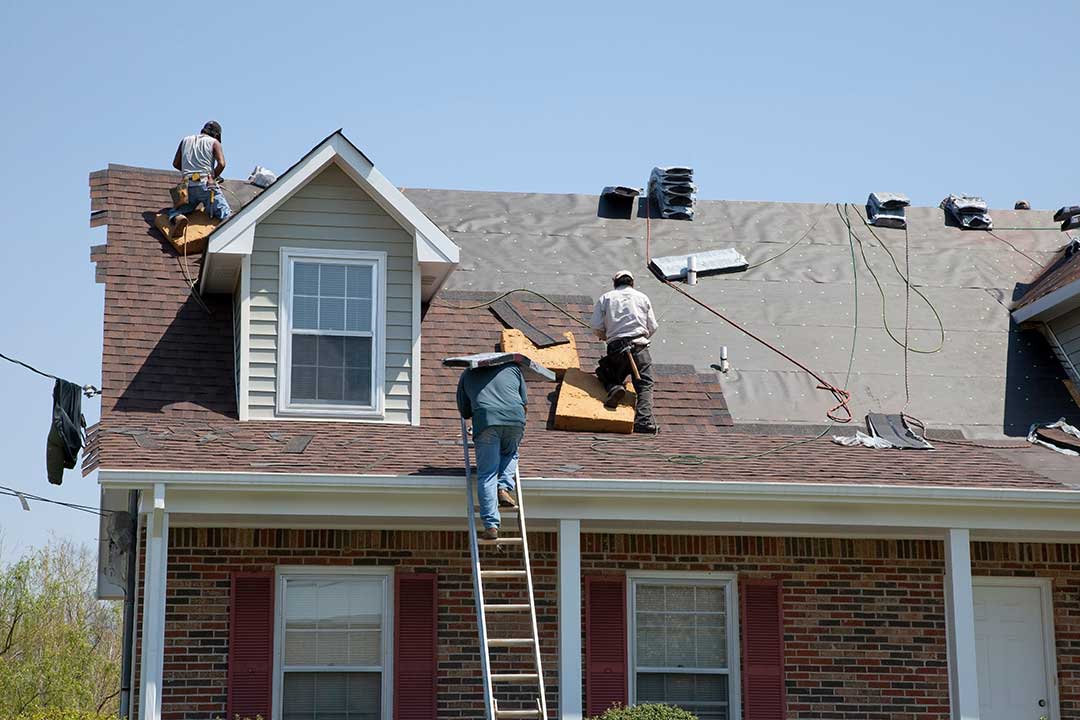
- Not all roofs qualify: Some homeowners hope a coating will instantly resolve leaks, but roofs with extensive shingle loss or layers that trap moisture aren’t good candidates.
- Durability isn’t permanent: There’s a belief that coatings “seal the roof for decades.” In reality, recoating is usually needed every several years, and ongoing inspections are wise.
- DIY risks: Coatings may appear easy to apply, but the wrong product, poor prep, or missed damage beneath the surface can all lead to disappointing results.
What Should Residents Consider Before Choosing a Roof Coating?
Homeowners in the community should weigh several factors before proceeding:
- What type of roof do you have? Flat roofs or certain metal systems are better suited for coatings than steep-sloped asphalt shingle roofs.
- Is your roof otherwise sound? Address underlying leaks, rot, or major ponding issues first.
- Have you checked local guidelines? While there are generally no special municipal restrictions specifically on coatings, confirming compliance with any local homeowners’ association rules or building codes is a prudent step.
- Are the promised benefits realistic for your situation? For many in the city, coatings make sense as an extension to a well-maintained flat roof’s lifespan, but not as a substitute for overdue repairs or replacement.
When Might a Roof Coating Make Sense for Local Homes?
Applying a roof coating may be appropriate if:
- You have a flat or low-slope roof with no major underlying damage.
- The current roof material is nearing the end of its lifespan, but still structurally sound.
- You want to improve reflectivity or weather resistance as a preventative step.
- Upfront cost, lower disruption, and immediate surface protection outweigh the drawbacks of shorter lifespan compared to a new roof.
For many pitched shingle roofs in single-family homes through Homer, more traditional repair or replacement is often more advisable, while roof coatings play a stronger role in maintaining commercial buildings and flat-roofed structures.
