
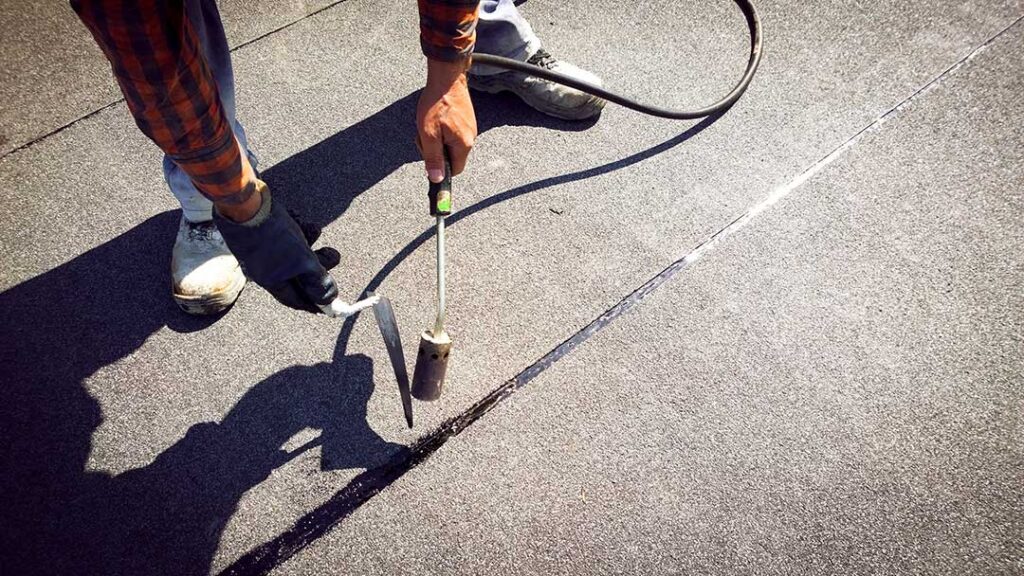
The short answer: limited repairs may be safe, but roof access is never risk-free
For some homeowners in Homer, NY, simple roof maintenance can be reasonable to handle independently. Examples include clearing a small amount of debris from a safe location, replacing a few accessible fasteners, or sealing a minor flashing gap when the roof is low-slope, dry, and easy to reach.
Roof work becomes unsafe when it involves steep pitches, damaged decking, icy or wet surfaces, electrical hazards, significant height, structural damage, or weather that can change quickly. A task that appears minor from the ground can involve fall exposure, hidden rot, fragile roofing materials, or water damage below the surface.
The safest decision depends less on confidence and more on the conditions, equipment, roof design, and type of repair.
Which roof tasks are usually reasonable for a careful homeowner?
Low-risk maintenance is generally limited to work that can be completed from the ground or from a properly positioned ladder without walking extensively on the roof.
Possible examples include:
- Removing leaves from gutters while standing on stable ground or a correctly secured ladder
- Trimming branches that rest against the roof, provided no electrical lines are nearby
- Looking for missing shingles, lifted flashing, clogged gutters, or visible sagging from the ground
- Replacing a small section of gutter or downspout at a low height
- Applying a temporary patch to a minor, clearly located leak if the surface is dry and stable
- Replacing a damaged vent cap that is safely accessible and does not require cutting into the roof structure
Even these jobs require proper footwear, stable ladder placement, and someone nearby. A ladder should rest on firm, level ground, extend above the landing area, and be secured against movement. Reaching sideways from a ladder is a common cause of falls; climbing down and repositioning it is safer.
When should roof work be left alone?
Roof work should not be attempted when any of the following conditions are present:
- Snow, ice, frost, rain, or heavy dew is on the roof
- Wind makes ladder use or handling materials difficult
- The roof is steep, unusually high, or difficult to access
- Shingles feel loose, brittle, soft, or unstable underfoot
- The roof surface is covered with moss or algae
- The roof deck feels spongy or sinks under pressure
- There are exposed nails, broken skylights, or damaged roof edges
- Power lines pass near the ladder or work area
- The repair requires removing large sections of roofing
- The attic shows extensive water damage, mold-like growth, or structural movement
Seasonal conditions in this part of New York can make a roof unsafe even when the same task would be manageable during a dry, calm period. Freezing temperatures can create hidden ice on shaded roof planes, while summer heat can make asphalt shingles soft and slippery. Wind can also turn a small repair into a handling problem, especially when carrying shingles, underlayment, or sheet materials.
Is it safe to walk on an asphalt-shingle roof?
Walking on an asphalt-shingle roof is not automatically safe. The slope, age, condition, temperature, and type of shingle all matter.
Older shingles may become brittle and break when stepped on. Granules can loosen, and the surface may be slick even when it looks dry. Newer shingles can also be slippery during hot weather because their surfaces soften. Foot traffic may damage tabs, loosen flashing, or create leaks that are not visible immediately.
If roof access is unavoidable, use soft-soled, slip-resistant footwear and step carefully on areas supported by the roof framing. Avoid stepping on ridge caps, exposed flashing, skylights, valleys, damaged shingles, and roof edges. These precautions reduce risk but do not eliminate it. For many homeowners, inspection from the ground, attic, or upper window provides useful information without requiring roof access.
What equipment is needed for basic roof work?
A ladder alone does not make roof work safe. Basic equipment may include:
- A properly sized extension ladder with stable feet
- Ladder stabilizers or stand-off supports where appropriate
- Slip-resistant footwear
- Work gloves and eye protection
- A tool belt that leaves both hands available while climbing
- Fall-protection equipment designed for the specific roof and installed according to its instructions
- A phone or other communication method kept accessible
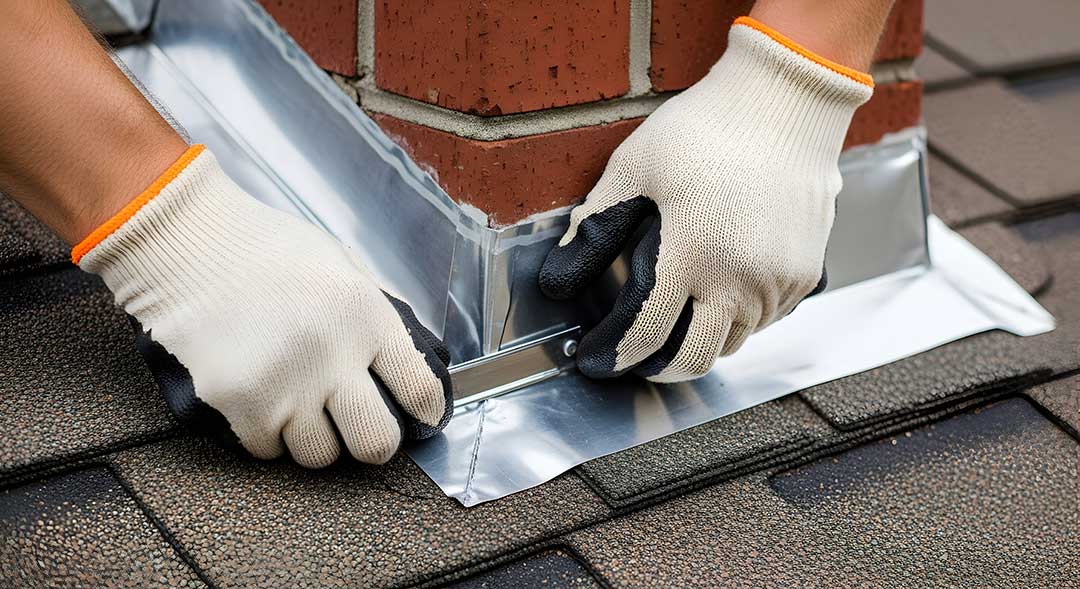
Improvised fall protection is dangerous. Ropes tied to chimneys, plumbing vents, trees, or random roof features may not withstand a fall and can create additional entanglement hazards. A harness system is useful only when the anchor, rope, lifeline, and setup are suitable for the work.
Children and pets should stay away from the work area. Tools, roofing nails, and broken shingle pieces can fall from the roof or collect around the foundation and landscaping.
How can a homeowner tell whether a leak is a small repair?
A small ceiling stain does not necessarily mean a small roof problem. Water can travel along rafters, roof decking, insulation, or wall framing before appearing indoors. The visible stain may be several feet away from the actual entry point.
A minor repair may be more likely when:
- The leak is localized and began after a specific storm
- A missing shingle or visibly displaced piece of flashing is easy to identify
- The roof sheathing and framing remain firm
- There is no sign of widespread staining or repeated leakage
- The repair can be completed without walking on a steep or damaged surface
More extensive warning signs include sagging ceilings, wet insulation, recurring leaks, multiple damaged areas, rot around roof edges, or water near electrical wiring. If a ceiling is bulging, avoid standing beneath it. Water accumulation can make drywall collapse without much warning.
Temporary measures, such as placing a tarp over a damaged area, may reduce additional water entry during an emergency. A tarp must be installed without creating a fall hazard, and it should not be handled during strong wind or active lightning.
Do permits or local rules affect DIY roof work?
Roof repairs can involve local building requirements, especially when the work changes roof structure, replaces substantial areas, alters ventilation, or involves additions such as skylights. Requirements may also differ between routine maintenance and larger replacement projects.
Before beginning a project, check the applicable Homer requirements and confirm whether permits, inspections, or specific material standards apply. Homeowners should also review insurance documents and manufacturer instructions. Unapproved structural changes or improper installation can create problems during a future claim or home sale.
The safest approach is to keep the project within the limits of ordinary maintenance unless the legal, structural, or technical requirements are clearly understood.
What is the safest way to decide?
A useful decision test is to ask four questions:
1. Can the problem be inspected and repaired without stepping onto a steep, wet, icy, fragile, or damaged roof?
2. Can the ladder and tools be used without reaching, twisting, or working near electrical lines?
3. Is the cause of the problem clearly understood?
4. Can the repair be completed without changing roof structure, ventilation, flashing design, or large areas of roofing?
If the answer to any of these questions is no, the work may exceed the limits of safe do-it-yourself maintenance. Roof safety is not measured by whether someone can climb up; it is measured by whether the entire task can be completed with controlled access, stable footing, correct equipment, and a clear understanding of what may be hidden beneath the roofing.
For local households, postponing a nonessential repair until the roof is dry, calm, and fully visible is often safer than trying to work through snow, wind, or a narrow weather window. A small delay is generally less costly than a fall or an improperly repaired leak.
