

Before leaving home for a vacation, spend a few minutes checking the roof, gutters, attic, and drainage areas. A small issue that is easy to manage while the house is occupied can become a major source of water damage when no one is present to notice it.
In Homer, NY, vacation planning may involve preparing for summer thunderstorms, autumn leaves, winter snow, or spring freeze-and-thaw conditions. The right checklist depends on the season, but the basic goal is the same: prevent water from entering the home and make sure developing problems can be detected quickly.
What should be checked on the roof before leaving?
The roof should be inspected from the ground for visible damage, loose materials, blocked drainage, and signs of water entry. A ground-level inspection is safer than walking on the roof and can identify many concerns without creating additional risk.
Look for:
- Missing, lifted, curled, or cracked shingles
- Exposed flashing around chimneys, plumbing vents, skylights, and roof edges
- Sagging areas along the roofline
- Loose gutters or downspouts
- Shingle granules collecting near downspout outlets
- Moss or heavy organic growth that may hide damaged roofing
- Debris resting on the roof, especially branches or accumulations near valleys
After strong wind, even a roof that appears intact from the driveway may have loosened shingles or flashing. If a roof has recently experienced storm damage, it is safer to arrange an inspection before leaving rather than assuming the problem can wait.
Do not climb onto a wet, icy, steep, or damaged roof. A fall risk is especially serious when the roof surface, ladder, or ground below is slippery.
Why are gutters and downspouts part of roof preparation?
Gutters and downspouts carry roof water away from the walls and foundation. If they are clogged before departure, rain can spill over the edges, soak exterior walls, collect near the foundation, or enter through vulnerable areas around the eaves.
Remove leaves, twigs, roofing granules, and compacted debris from the gutters. Check that downspouts are connected and that their outlets direct water several feet away from the foundation when possible.
Downspouts should not discharge onto walkways, against basement walls, or onto areas where water can freeze and create a hazard. Extensions should remain in place during the trip, particularly during seasons with frequent rain.
In autumn, falling leaves can block drainage soon after a cleaning. If the home will be vacant for several weeks, it may be useful to arrange for someone to check the gutters after a major windstorm or extended period of leaf fall.
How should the roof be prepared for summer storms?
Summer storms can bring wind, heavy rain, lightning, and falling branches. Before leaving, inspect nearby trees for dead limbs that extend over the roof or could strike the house during high winds.
Secure or store loose outdoor items that could be blown into the roof, including lightweight furniture, tools, decorations, and ladders. Check that satellite equipment, antennas, vents, and other roof-mounted items are not visibly loose.
Inside the attic, look for dark stains, damp insulation, musty odors, or daylight visible through the roof deck. These signs may indicate an existing leak that could worsen during a storm. A leak does not always appear directly below the damaged area because water can travel along rafters, sheathing, insulation, and ceiling materials.
If a storm is forecast while the home is vacant, make sure a trusted person knows how to access the property and where the main water shutoff is located. Water damage from a roof leak can be compounded by plumbing leaks that go unnoticed at the same time.
What should homeowners do before leaving for winter?
Winter preparation requires attention to snow, ice, ventilation, and heat. Snow can accumulate unevenly, especially near roof valleys, upper roof sections, dormers, chimneys, and areas where wind creates drifts. Ice buildup and rain can add substantial weight.
Before a winter trip:
- Clean gutters and downspouts before freezing weather arrives.
- Check attic insulation and ventilation for obvious problems.
- Make sure bathroom and kitchen exhaust fans vent outdoors rather than into the attic.
- Keep indoor heat at a safe setting to reduce the chance of frozen pipes.
- Arrange for someone to check the home after heavy snow, freezing rain, or strong winds.
- Confirm that roof access areas are not blocked if emergency inspection becomes necessary.
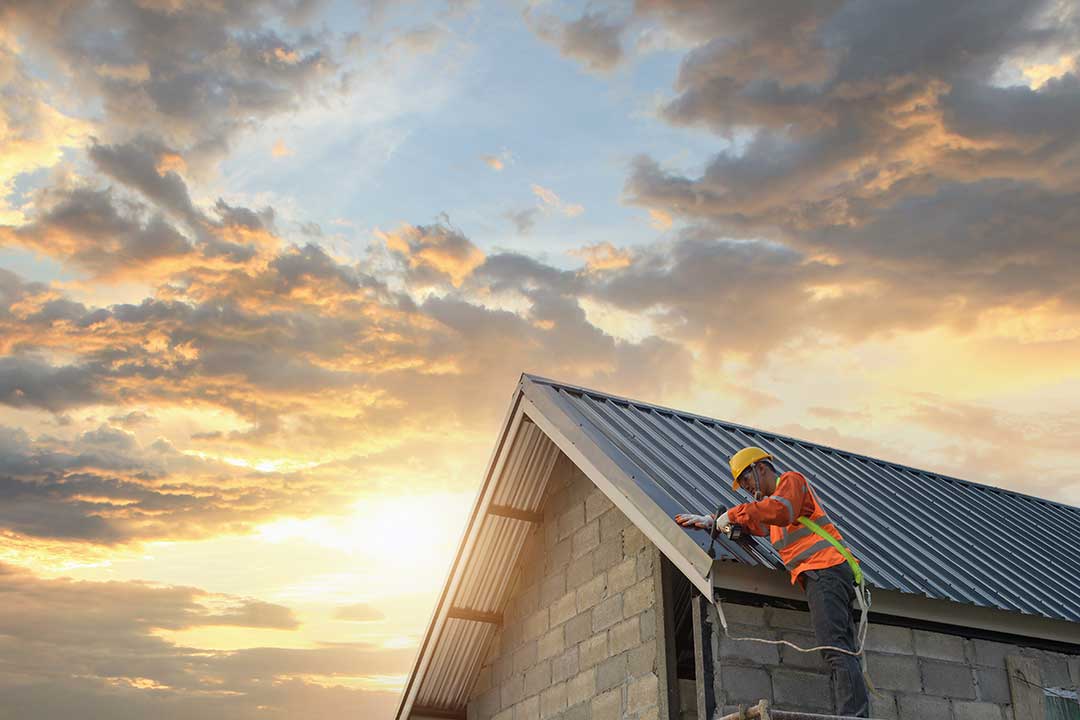
Snow should not be removed by walking on the roof. Roof rakes may be suitable for some low-risk, ground-level situations, but they can damage shingles, gutters, siding, and electrical equipment if used carelessly. Ice dams should not be chopped with tools, and applying salt or other chemicals to roofing materials can create additional damage.
Can ice dams form while a house is empty?
Yes. Ice dams can form when heat escaping into the attic warms part of the roof, melts snow, and allows water to refreeze near colder eaves. The resulting ice can block drainage and force meltwater beneath roofing materials.
A vacant house may be more vulnerable to delayed detection because no one is present to notice dripping, ceiling stains, unusual attic moisture, or falling ice. Proper attic insulation and balanced ventilation can reduce the conditions that contribute to ice dams, but they cannot guarantee that ice formation will never occur.
Before leaving during a snow season, inspect the attic for frost on roof sheathing, wet insulation, or signs of previous leakage. These conditions should be addressed before an extended absence, especially if the home has a history of ice buildup.
How can a vacant home be monitored for roof leaks?
The most useful safeguard is a reliable person who can inspect the property after severe weather. A simple visit can include checking ceilings, attic areas, gutters, basement walls, and rooms beneath roof valleys or plumbing penetrations.
Ask the person checking the house to look for:
- New ceiling stains or bubbling paint
- Damp or compressed attic insulation
- Water around windows or exterior walls
- Fallen shingles or branches
- Sagging gutters
- Ice buildup or large roof-edge icicles
- Unusual odors or sounds inside the attic
Leak sensors and temperature monitors can provide additional warning, but they should be treated as backup tools rather than replacements for a physical inspection. Devices need working batteries, reliable connectivity, and placement in areas where water is likely to appear.
Leave clear instructions for shutting off the main water supply and for reaching the electrical panel if a leak is discovered. If severe structural damage, active water entry, or unsafe roof conditions are found, the person should avoid entering hazardous areas and arrange appropriate emergency assistance.
Are permits needed for roof work before a trip?
Permit requirements can depend on the type and extent of work, the property’s location, and whether the work changes structural or building-code components. In Homer, property owners should verify requirements with the applicable local code enforcement office before beginning a substantial roofing project.
Routine maintenance, such as clearing debris, is different from replacing roofing materials, altering roof structure, or changing ventilation. Starting a major project immediately before vacation can create its own risks if the work is unfinished when bad weather arrives. Roofing materials should not be left partially installed or inadequately protected while a home is unattended.
The safest vacation preparation is not a rushed repair. It is a planned inspection, clear drainage, secure surroundings, and a dependable way to discover problems before a small roof issue becomes extensive interior damage.
