
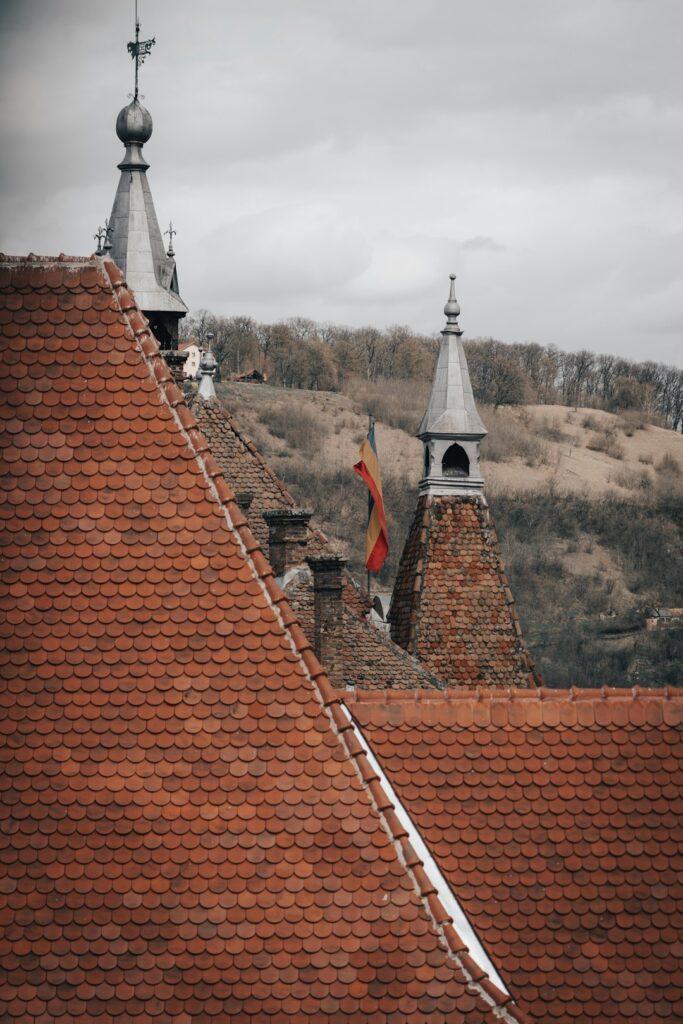
Which roofing materials are considered the most durable?
The most durable roofing materials are usually slate, clay or concrete tile, standing-seam metal, and high-quality synthetic roofing products. Their actual service life depends on installation, ventilation, roof design, maintenance, weather exposure, and whether the home can support the material’s weight.
For homes in Homer, NY, durability also means handling repeated freeze-thaw cycles, heavy snow, wind, rain, ice, and summer sun. A material that performs well in a mild climate may require different detailing in an area with regular winter weather.
Durability should not be judged by lifespan alone. A roof that lasts 75 years but is difficult to repair or too heavy for a structure may be less practical than a roof that lasts 40 to 50 years and is easier to maintain.
How long can different roofing materials last?
Typical service-life ranges vary by material and conditions:
- Natural slate: Often 75 to more than 100 years when properly installed and maintained.
- Clay or concrete tile: Commonly 50 to 100 years, although severe impact, structural movement, or improper installation can shorten that range.
- Standing-seam metal: Frequently 40 to 70 years, with some systems lasting longer when coatings, fasteners, and seams remain in good condition.
- Copper: Can last many decades and may exceed a century, but it is a specialized and costly material.
- Synthetic slate or composite roofing: Often designed for roughly 40 to 75 years, depending on the product and exposure.
- Wood shingles or shakes: Usually about 20 to 40 years, with lifespan strongly affected by moisture, ventilation, installation, and maintenance.
- Architectural asphalt shingles: Commonly last 20 to 30 years, while heavier premium versions may last longer under favorable conditions.
- Basic three-tab asphalt shingles: Often have a shorter service life, frequently around 15 to 20 years.
These are broad expectations rather than guarantees. Roof slope, attic moisture, tree cover, snow retention, foot traffic, and local weather can make a substantial difference.
Is slate the most durable roofing material?
Natural slate is among the longest-lasting roofing materials, but it is not automatically the right choice for every house. Slate is a dense stone that resists rot, insects, ultraviolet exposure, and many forms of weathering.
Its main limitation is weight. The roof structure must be designed or verified to support it, particularly when an older roof already has multiple layers or when snow accumulation is possible. Slate can also crack if walked on carelessly, struck by falling branches, or installed over an unstable roof deck.
Repairs require compatible slate pieces and specialized knowledge. A slate roof may be extremely durable while still being less convenient to modify around skylights, chimneys, dormers, or later additions.
How does metal roofing perform in winter weather?
Metal roofing is durable because it resists rot, insects, fire, and moisture absorption. Standing-seam systems have concealed fasteners and long vertical panels, reducing the number of exposed points where water can enter.
Metal can perform well in snowy conditions, but its details matter. Smooth panels may allow snow to slide suddenly, which can create a safety hazard near entrances, walkways, lower roofs, or landscaping. Snow guards may be appropriate in some designs, but they must be installed according to the roof system and structural conditions.
Metal roofs also expand and contract as temperatures change. Properly designed clips, seams, flashings, and penetrations allow that movement. A roof can fail prematurely if panels are fastened too rigidly or if incompatible metals create corrosion.
Noise is another common concern. Metal roofing is not necessarily loud in a finished home. Insulation, attic construction, roof decking, and interior ceilings usually reduce the sound of rain and hail.
Are clay and concrete tiles durable in a cold climate?
Clay and concrete tiles can last for decades and resist fire, insects, and decay. They also provide a distinctive appearance and can tolerate strong sun better than many organic materials.
Cold-weather performance depends on the specific tile, water absorption, underlayment, flashing, and installation method. Water that enters porous materials and freezes can contribute to cracking. Individual tiles can also break from impact, structural movement, or improper foot traffic.
Like slate, tile is heavy. The roof framing must be capable of supporting the material, along with seasonal snow loads. Tile systems also depend heavily on the underlayment beneath the visible surface. Replacing broken tiles without addressing damaged flashing or aging underlayment may only solve part of the problem.
Are synthetic roofing materials a practical alternative?
Synthetic slate and composite roofing products are designed to imitate the appearance of natural slate, wood, or tile while reducing weight and simplifying installation. Many resist moisture, insects, and impact better than natural wood products.
Their durability varies considerably. Some products become brittle after long exposure to ultraviolet light or extreme temperature changes, while others are engineered for strong impact resistance. Product quality, fastening requirements, color stability, and replacement availability should be considered before installation.
Synthetic materials may be useful when a house cannot support natural slate or tile but the owner wants a longer service life than standard asphalt shingles. The roof assembly still needs sound flashing, ventilation, drainage, and underlayment.
Why do asphalt shingles remain common?
Architectural asphalt shingles are not the longest-lasting option, but they are widely used because they are relatively light, adaptable, and easier to repair than many heavier materials. They are available in many profiles and can work with a wide range of roof shapes.
In an area with snow, ice, and temperature swings, shingle durability depends on more than the shingle itself. Important factors include:
- Adequate attic ventilation and insulation
- Proper installation of ice-barrier materials at vulnerable eaves and valleys
- Correct flashing around chimneys, walls, skylights, and plumbing pipes
- Sufficient roof slope for the selected product
- Secure fastening that is not too high, too low, or incomplete
- Removal of debris that holds moisture against the roof

A premium shingle installed poorly may fail sooner than a standard shingle installed correctly. Roof design and workmanship are part of the durability equation.
What roofing features matter most in Homer, NY?
Local durability depends on how the roof handles water and winter stress. Homes in the community may experience snow accumulation, ice formation, wind-driven rain, and repeated transitions between freezing and thawing temperatures.
Useful design considerations include:
- Reliable drainage: Valleys, gutters, downspouts, and roof edges must move water away before it can enter the roof assembly.
- Strong flashing: Many leaks begin at roof-to-wall transitions, chimneys, skylights, and penetrations rather than in the field of the roofing material.
- Adequate ventilation: Moisture from the living space can condense in a cold attic and contribute to sheathing damage, mold, and premature deterioration.
- Snow and ice planning: Roof slope, overhangs, roof geometry, and snow-shedding behavior should be considered together.
- Resistant underlayment: The visible roofing surface is only one part of the system. Underlayment provides backup protection when wind-driven rain or ice reaches beneath the outer material.
- Sound roof framing: Structural movement can damage brittle tile, slate, fasteners, seams, and shingle surfaces.
Which durable material is best for an older home?
There is no single best material for every older house. The right choice depends on structural capacity, roof pitch, existing layers, historic appearance, budget, maintenance expectations, and the condition of the roof deck.
Slate or tile may suit a house designed for heavy roofing, but they may be inappropriate without structural evaluation. Metal may reduce weight compared with slate or tile, yet its snow-shedding behavior and detailing need careful planning. Architectural asphalt shingles may be the most practical option for many homes, especially when the roof has a complex shape or future repairs must remain straightforward.
The most durable roof is a complete system: suitable material, properly prepared decking, effective flashing, dependable ventilation, secure attachment, and drainage that works through every season. Safety concerns, suspected structural problems, active leaks, or work near steep edges and electrical hazards require qualified assistance rather than trial-and-error repairs.
How can homeowners extend roof life?
Routine observation can identify problems before water reaches the interior. After major storms, residents can look for missing pieces, displaced flashing, sagging gutters, exposed fasteners, fallen branches, and damp attic areas. Tree limbs that rub against the roof can wear protective surfaces, while leaves and needles can hold moisture in valleys and gutters.
Interior signs also matter. Stains, peeling paint, musty odors, damp insulation, and unexplained increases in attic humidity may indicate a roofing or ventilation problem even when the exterior appears intact.
Regular maintenance cannot make an unsuitable material last forever, but it can prevent small failures from becoming widespread damage. In snowy climates, careful attention to drainage, ice formation, and snow-shedding areas is especially valuable.
